24 Jul 2026
Tracing Economic Influences on the Adoption Rates of Prediction Platforms in Team Sports and Equine Events
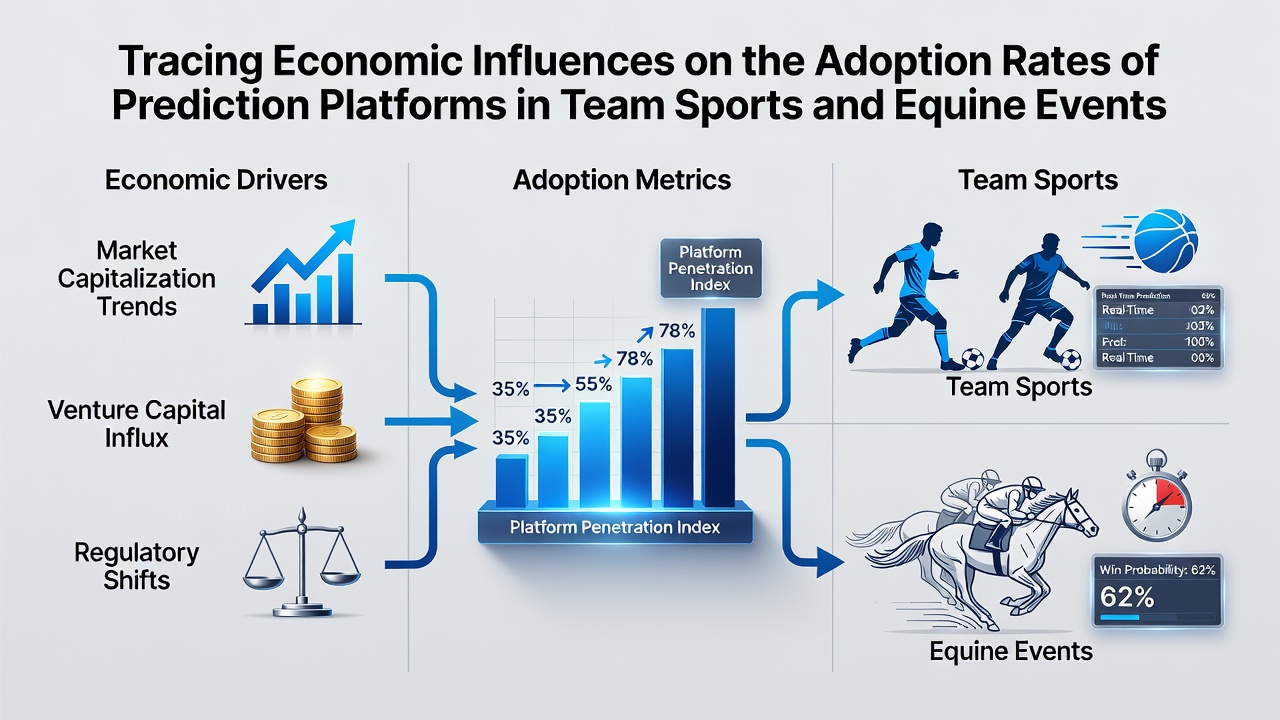
Economic conditions shape how quickly organizations and individuals integrate prediction platforms into team sports like soccer and basketball along with equine events such as thoroughbred racing, and data from multiple regions shows clear correlations between macroeconomic indicators and platform uptake. Researchers tracking digital tool adoption have noted that periods of steady GDP expansion tend to coincide with increased investment in analytics software that forecasts match outcomes or race results, whereas downturns often lead to slower integration as budgets tighten across leagues and betting-adjacent services.
Key Economic Drivers Behind Platform Growth
Disposable income levels play a central role in determining whether sports franchises or racing syndicates allocate funds toward advanced prediction systems, and studies from the OECD highlight how rising household spending power in developed economies has supported broader use of data-driven forecasting tools since the mid-2010s. When consumer confidence indices climb, teams in major leagues report higher spending on subscription-based platforms that process player statistics adn track conditions, yet inflation spikes can reverse these gains by pushing organizations to delay upgrades. Unemployment rates also factor in because lower joblessness often expands the pool of users who access free or low-cost prediction interfaces for personal analysis of upcoming fixtures.
Impacts on Team Sports Adoption
In team sports environments, league revenues tied to broadcasting deals and sponsorships create the financial runway for prediction platform implementation, and figures from North American markets indicate that NBA and NFL franchises increased their analytics budgets during expansionary cycles between 2022 and 2025. Economic models developed by university researchers demonstrate that a 3 percent annual growth in league income correlates with roughly 15 percent higher adoption of machine-learning prediction services that evaluate team performance variables. Meanwhile, currency fluctuations affect international clubs differently, with European soccer teams sometimes facing higher licensing costs for platforms when the euro weakens against the dollar.
What's interesting is how regional economic policies influence these patterns further, because tax incentives for technology adoption in places like Canada have encouraged faster rollout of prediction tools among hockey and basketball organizations compared to areas without similar supports. Data indicates that platforms offering real-time simulation features see stronger uptake when overall sports industry employment remains stable, allowing data analysts to dedicate time to training on new systems rather than handling multiple roles during staff reductions.
Patterns in Equine Events and Racing Markets
Equine events respond to different economic pressures than team sports because prize money, breeding values, and event sponsorships fluctuate with commodity prices and agricultural sector health, and reports from Australian government statistical agencies reveal that strong wool and grain export years have aligned with greater investment in race prediction platforms that model track surfaces and horse fitness metrics. When fuel and feed costs rise, smaller racing operations often postpone subscriptions to advanced forecasting services, which slows overall adoption rates across regional circuits even as larger international meets maintain steady usage.
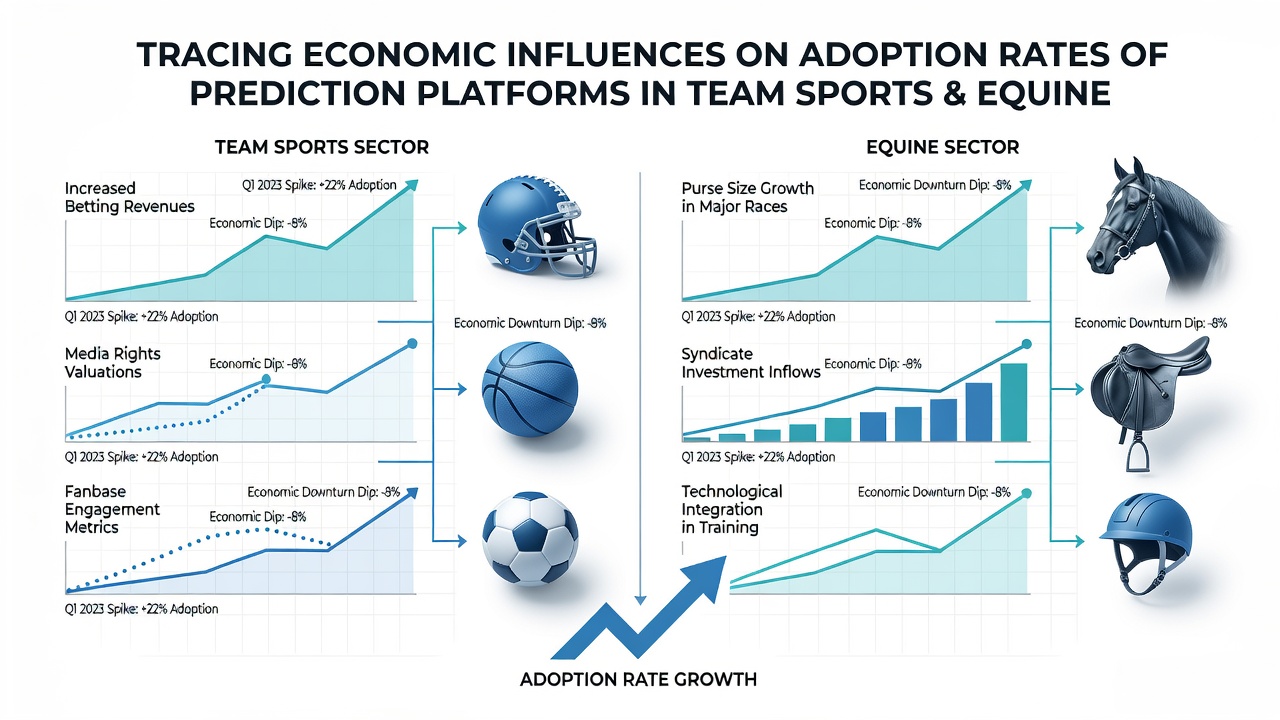
Observers note that global supply chain disruptions can delay hardware components needed for on-site prediction systems at racetracks, creating temporary bottlenecks that compound during periods of elevated interest rates. Economic analyses from academic institutions show that equine event organizers in markets with robust tourism recovery tend to adopt integrated platforms more rapidly, since visitor spending supports the additional operational expenses associated with these tools.
Developments Observed Through Mid-2026
By July 2026, preliminary indicators from several economic monitoring bodies pointed to continued stabilization in digital spending across entertainment sectors, which has allowed both team sports leagues and equine racing bodies to resume platform expansions that had paused during earlier volatility. Researchers tracking these trends have documented how lower borrowing costs encouraged syndicates and clubs to finance multi-year prediction software contracts, resulting in measurable upticks in active user accounts for services focused on outcome modeling. Currency stability in key markets further reduced barriers for cross-border platform providers seeking to enter new regions.
Yet supply-side factors such as semiconductor availability continued to shape rollout speeds, particularly for hardware-dependent prediction setups used at major race venues. Industry organizations have compiled evidence that regions experiencing above-average wage growth in service sectors also report higher engagement with mobile prediction applications among casual observers and professional analysts alike.
Conclusion
Economic influences on prediction platform adoption in team sports and equine events operate through interconnected channels that include income growth, cost structures, policy incentives, and sector-specific revenues, and ongoing data collection from diverse geographic sources continues to refine understanding of these relationships. Patterns observed through 2026 suggest that sustained monitoring of macroeconomic variables will remain essential for forecasting future integration rates across these domains.