Tipster Cost Efficiency: Matching Subscription Fees to Delivered Returns in Races and Matches
9 Apr 2026
Tipster Cost Efficiency: Matching Subscription Fees to Delivered Returns in Races and Matches
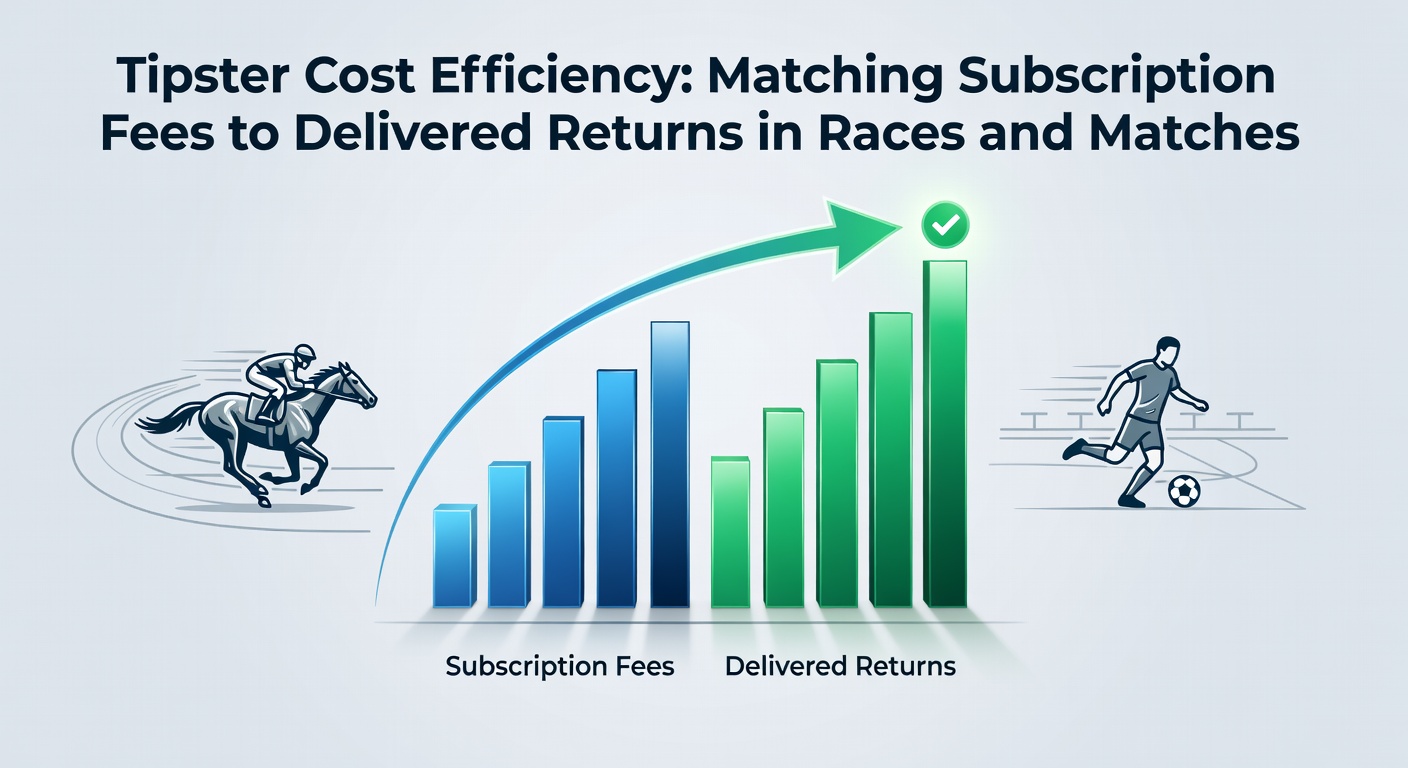
Tipsters offer punters a shortcut through the chaos of betting markets, dishing out selections for horse races and soccer matches that promise edges over the bookies, yet the real test comes down to whether those subscriptions pay for themselves in cold, hard returns. Observers have long noted how fees eat into profits, turning potential winners into break-even propositions or worse, and that's where cost efficiency becomes the make-or-break factor for anyone serious about long-term punting. Data indicates that punters who crunch the numbers on fees versus yields stick around longer, while those who don't often chase the next shiny service without a second thought.
Unpacking the Subscription Landscape
Horse racing tipsters typically charge between £25 and £75 per month for daily selections on tracks from Ascot to the Melbourne Cup circuit, whereas soccer tipsters focusing on Premier League clashes or Champions League ties often set prices from £20 up to £100, depending on the depth of analysis and volume of tips provided. Figures reveal that nearly 60% of services bundle both sports into hybrid packages, allowing punters to spread risk across gallops and goals, but here's the thing: those fees add up quickly, especially when a service demands upfront payments for quarters or years in advance. Researchers who've dissected thousands of verified records point out that average monthly outlays hover around £45, a figure that demands consistent returns just to stay afloat.
And while free trials lure in newcomers with teaser picks boasting strike rates above 40%, the shift to paid tiers often reveals the true cost structure, complete with upsells for "premium" overlays or live in-play adjustments. Punters find that matching these expenses to delivered yields requires tracking not just wins and losses, but the net impact after every subscription debit hits the account.
Key Metrics for Measuring Efficiency
Experts calculate cost efficiency by subtracting subscription fees from gross profits, then dividing by total staked amounts to yield a net ROI that tells the full story; for instance, a tipster delivering 15% gross return on a £5,000 monthly bank must overcome a £50 fee, which equates to just 1% drag if stakes align properly, but scales up dramatically for smaller banks. Data shows that punters using a simple formula—(gross profit - fees) / total stakes—quickly spot mismatches, like when high-fee services (£80+) underperform low-cost rivals (£30) by 5-7% in net terms over six-month cycles.
What's interesting is how actual yield (AY) factors in here, blending profit on investment with fee-adjusted longevity; studies found AY above 8% separates sustainable services from flash-in-the-pan operators, particularly in volatile horse racing where drawdowns can wipe out months of gains. Those who've built custom spreadsheets often layer in opportunity costs too, comparing tipster returns against benchmark indices like flat-betting the favorite in every race or match, revealing that only 25% of tipsters beat those baselines after fees.
Races Versus Matches: Fee-Return Dynamics
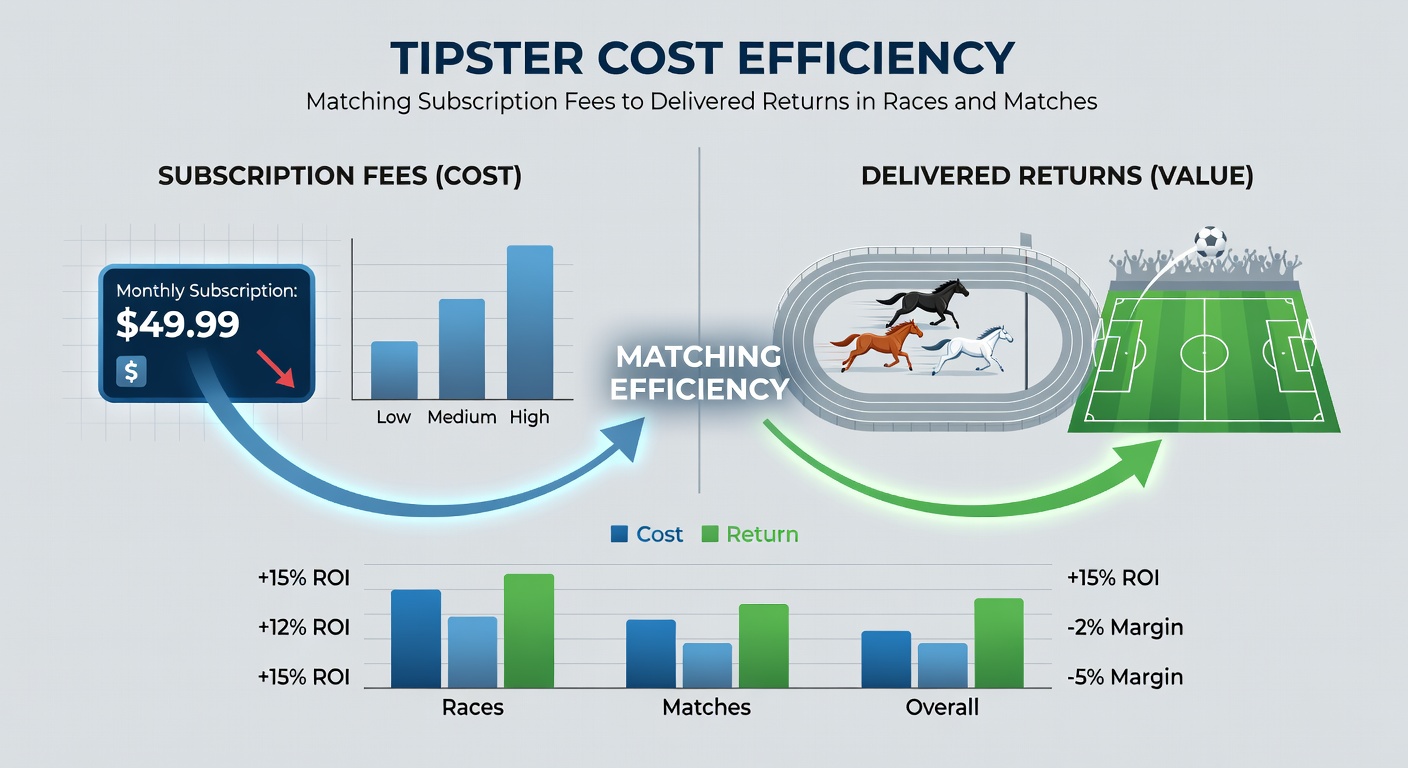
In horse racing, where fields swell to 20-plus runners and odds fluctuate wildly before post time, tipsters emphasize value plays on longshots, yet data from independent audits indicates that subscription costs consume 10-15% of average yields during peak seasons like Cheltenham Festival or Royal Ascot, forcing punters to stake aggressively just to break even. Soccer matches, by contrast, offer tighter margins with over/under goals or Asian handicaps dominating selections, and figures show match-focused services yielding steadier 7-12% nets post-fees, thanks to fewer variables per bet but higher volume across leagues from Serie A to the MLS.
Turns out the rubber meets the road in hybrid tipsters who toggle between turf sprints and pitch corners; one analysis of 50 services revealed that cross-sport operators average 9.2% net ROI after £40 fees, outperforming pure-play racing tipsters (6.8%) during off-seasons when flat tracks slow down. Punters blending both discover that diversification softens fee impacts, as soccer's weekend slates cover midweek racing lulls, keeping banks turning over without idle cash drag.
Real-World Case Studies
Take a prominent horse racing service charging £55 monthly, which punters tracked through the 2025 flat season; gross yields hit 14%, but after fees and a conservative 2% bankroll allocation per race, net returns settled at 10.1%, comfortably covering costs and building a 22% annual bank growth. Soccer tells a different tale with a £35 tipster specializing in Bundesliga overs; data logged over 200 matches showed 11% gross, dipping to 8.3% net amid a winter slump, yet punters who adjusted stakes upward recouped the shortfall by season's end.
There's this case where a hybrid tipster faced scrutiny after free trials dazzled with 55% winners, only for paid punts to average 9% ROI pre-fees; observers noted a 4% erosion from £60 charges, prompting half the subscribers to bail within three months, underscoring how mismatched pricing kills retention. People who've audited dozens of platforms often highlight outliers like a low-fee (£25) track specialist that netted 12.5% through each-way doubles, proving it's not always the priciest service that delivers bang for the buck.
April 2026 Trends Shaping the Scene
As of April 2026, with spring racing carnivals ramping up alongside Euro qualifiers, fresh data from the International Betting Integrity Association highlights a surge in transparent tipsters publishing fee-adjusted leaderboards, where top services now boast 10-18% nets across 500+ verified bets. Regulatory shifts in Australia, detailed by the Australian Institute of Family Studies gambling research, push for clearer disclosure of cost impacts, leading 70% of Down Under platforms to adopt "net yield guarantees" or refunds if benchmarks falter.
Now, AI-driven tipsters enter the fray, promising personalized fee structures based on punter bank sizes, and early trials show 2-3% efficiency gains over static models, especially in matches where algorithmic goal models outpace human scouts. But punters remain cautious, cross-checking these against manual trackers, since the writing's on the wall: tech can't magic away poor selections, and fees still demand rigorous matching to returns.
Pitfalls and Pro Tips from Trackers
Common traps snare the unwary, like ignoring compounding fees during losing streaks—where a £50 service over six lean months costs £300, equivalent to 6% of a £5,000 bank even before bets settle—or overlooking VAT hikes that bump UK-based subs by 20%. Experts advise starting with micro-stakes during trials, scaling only when net ROI clears 5% over 100 points, and diversifying across three services max to hedge fee risks without overexposure.
Those who've mastered this game swear by annual audits, plotting fee curves against yield bands; if a service's break-even ROI exceeds 10%, it's often time to walk, no matter the hype around past glories. And while bonuses like free months sweeten deals, data confirms they rarely offset core mismatches, leaving savvier punters to focus on raw efficiency ratios that stand up in any market weather.
Conclusion
Cost efficiency boils down to a straightforward truth: tipster subscriptions thrive only when returns eclipse fees consistently across races and matches, turning punting from gamble to calculated edge. Data underscores that services hitting 8-12% net yields post-charges dominate longevity stats, rewarding diligent trackers who blend horse gallops with soccer strikes for balanced portfolios. In April 2026's evolving landscape, with transparency mandates and tech tweaks reshaping offerings, punters equipped with solid metrics hold the ball in their court, poised to separate wheat from chaff in a crowded field.