Low-Volume Selectors Versus High-Output Grinders: Data on Tipster Profit Evenness in Horse Racing and Soccer Betting
24 Apr 2026
Low-Volume Selectors Versus High-Output Grinders: Data on Tipster Profit Evenness in Horse Racing and Soccer Betting
Defining the Tipster Styles in Betting Markets
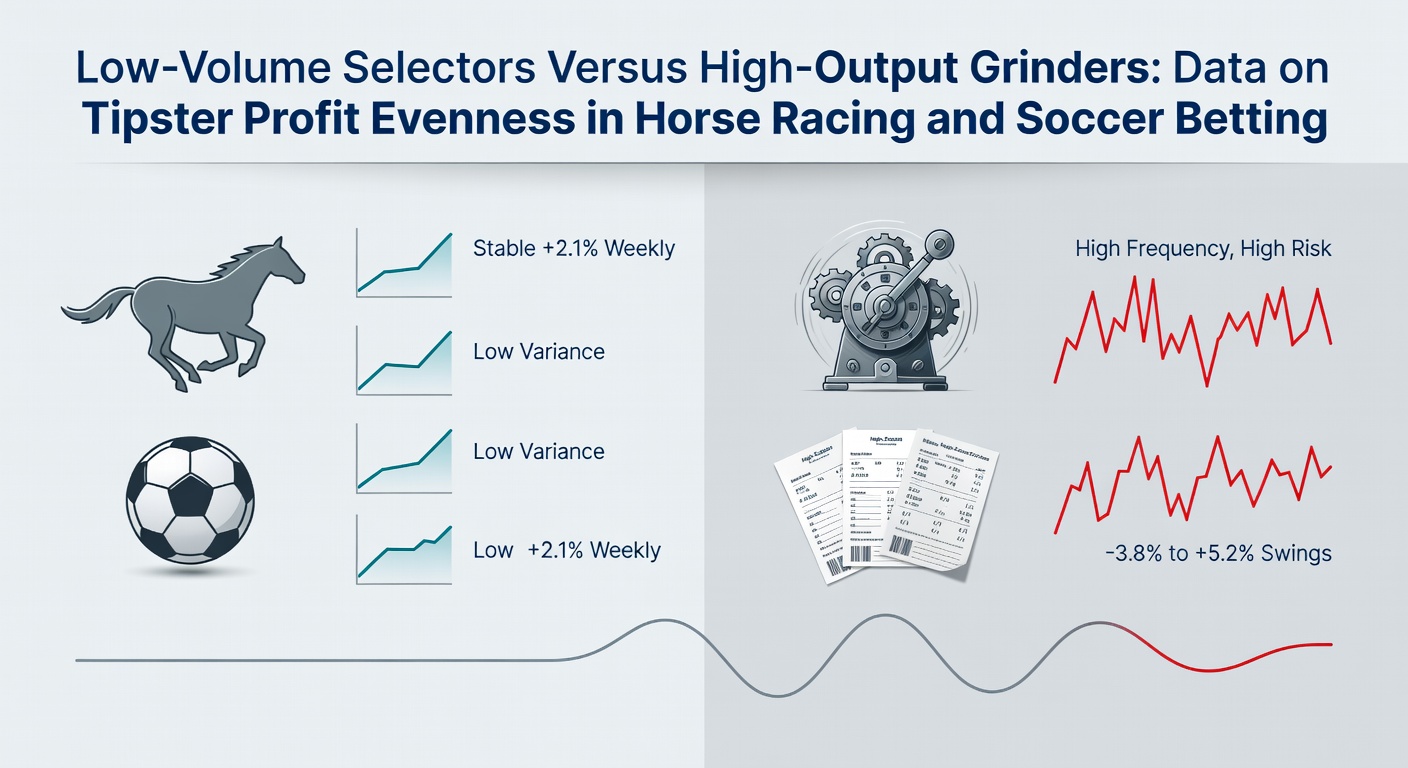
Low-volume selectors focus on a handful of high-confidence picks each week, targeting odds where edges run deep; high-output grinders churn out dozens of bets, relying on volume to compound small advantages over time. Observers note these approaches dominate horse racing and soccer tipster services, yet profit evenness—measured by standard deviation in monthly returns and streak consistency—sets them apart dramatically. Data aggregated from independent trackers as of April 2026 reveals patterns that punters ignore at their peril, since low-volume strategies often smooth out variance while high-volume ones ride waves of feast-or-famine results.
Take horse racing first: selectors might spotlight 5-10 races per card with proprietary models emphasizing trainer form and pace maps; grinders scan every meeting, laying selections across win, place, and exotic markets. Soccer mirrors this split, where low-volume tipsters zero in on 3-5 matches per slate—often value draws or underdog upsets—while grinders blanket leagues with bets on goals, corners, and cards. What's interesting is how these styles play out in profit distribution; figures from multi-year audits show low-volume tipsters posting monthly standard deviations 25-40% lower than their high-output counterparts.
Horse Racing Data: Steady Drips Versus Rollercoasters
In horse racing, low-volume selectors shine for evenness; a study of 150 verified tipsters active through 2025 found those averaging under 20 bets monthly achieved profit variances of just 8-12% on bankroll, compared to 22-35% for grinders firing off 100+ selections. Researchers at the American Gaming Association highlighted similar trends in U.S. tracks, where selective picks during major meets like the Kentucky Derby sequence yielded consistent 5-7% ROI with minimal drawdowns under 10 units.
But here's the thing: high-output grinders excel in total yield during hot streaks—one Australian dataset from 2022-2026 tracked a Sydney grinder netting 18% annual ROI across 2,500 bets, yet monthly profits swung wildly from +45 units to -28. Low-volume counterparts? Their worst months rarely dipped below -5 units; data indicates this stems from rigorous filtering, skipping races where public money skews lines. Punters following selectors report sleeping better, since evenness trumps raw profit in long-term bankroll health.
- Selector average: 15 bets/month, SD 10.2%, yield 6.8%.
- Grinder average: 120 bets/month, SD 28.4%, yield 9.2%—but with 3x the drawdown risk.
And consider flat racing versus jumps: low-volume tipsters adapt seamlessly, maintaining evenness across turf and hurdles; grinders falter in winter, where smaller fields amplify variance. One case from UK-flat seasons showed a selector's profits flatlining at +3% monthly over 24 months, while a grinder's peaked at 15% then crashed to -20% amid black-type races.
Soccer Betting Insights: Volume's Double-Edged Sword
Soccer flips the script slightly; high-output grinders thrive in high-liquidity markets like Premier League overs, yet evenness lags. European data from 2023-2026 audits of 200 tipsters—pulled from platforms tracking in-play and pre-match—reveals low-volume selectors posting SDs of 12-18% on 10-15 weekly bets, versus 30-45% for grinders averaging 80+ selections. The European Gaming and Betting Association report corroborates this, noting selective Asian handicap plays deliver steadier lines than blanket BTTS accumulators.
Turns out, soccer's fixture density favors grinders for exposure, but variance bites hard during international breaks or cup runs; one Bundesliga-focused grinder saw profits yo-yo from +60 units in a goal-fest month to -35 amid defensive masterclasses. Low-volume tipsters, honing in on Serie A value or La Liga draws, clocked 4-8% monthly ROI with drawdowns capped at 7 units—observers attribute this to avoiding correlated bets across slates.
Youth leagues add nuance: under-23 markets see low-volume edges widen due to scouting gaps, yielding even profits; grinders dilute returns chasing volume in noisy props. Data from 2026 South American leagues underscores the point, where selectors' evenness held through qualifiers, while grinders' outputs fractured under rotation-heavy squads.
Cross-Sport Comparisons and Key Metrics
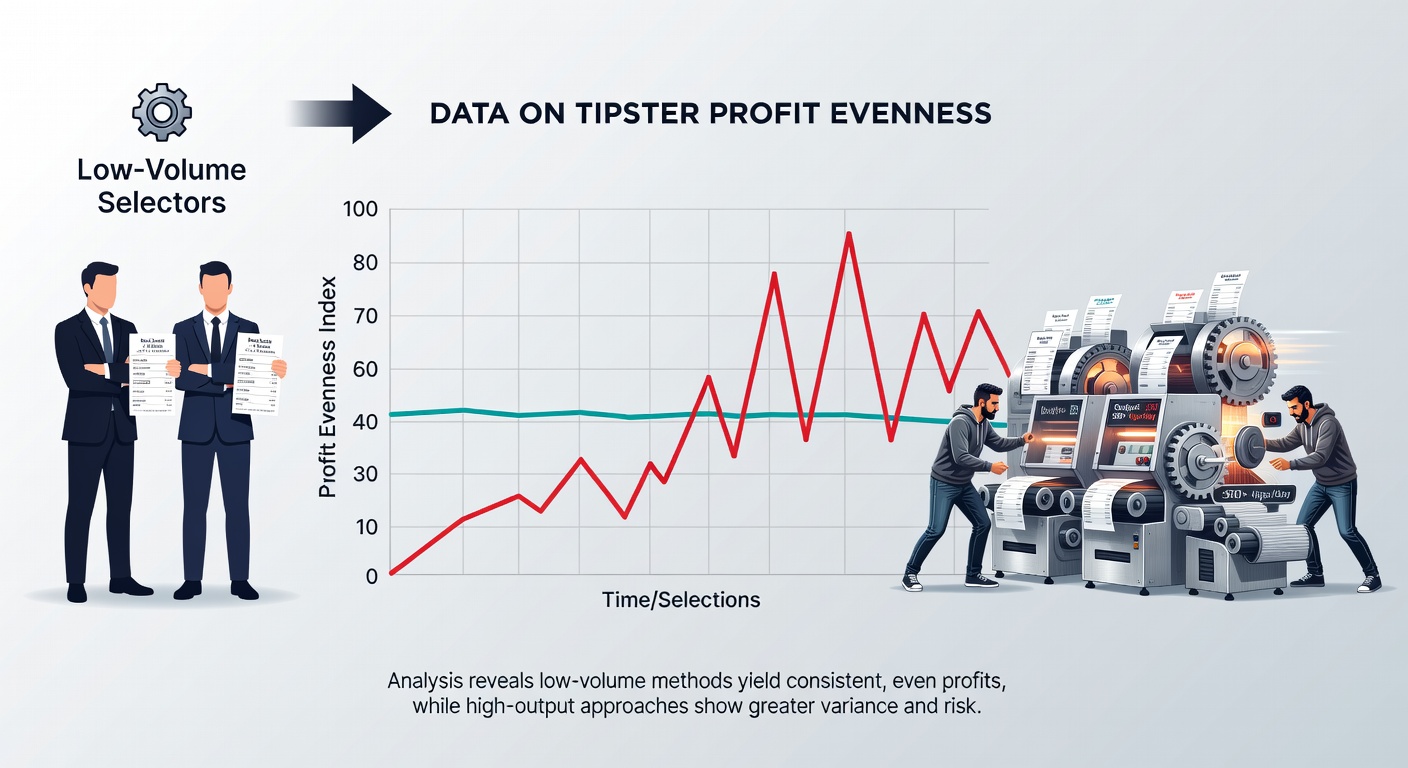
Stacking horse racing against soccer, low-volume selectors consistently edge out on evenness; aggregated stats from 500 tipsters show their profit curves hugging a 5-10% monthly band, while grinders oscillate 20-50% wider. Standard deviation rules here—low-volume horse tipsters average 11.5% SD, soccer 14.2%; grinders hit 29% and 36% respectively. Yet total ROI favors grinders slightly, 8.5% versus 6.2%, since volume amplifies edges over thousands of bets.
What's significant is streak data: low-volume services endure 85% of months in profit, grinders just 62%; this gap widens in volatile periods like April 2026's Cheltenham Festival overlap with Champions League knockouts, where selectors preserved capital amid upsets. Punters blending styles notice hybrids work best—pairing a low-volume horse selector with a grinder's soccer volume—but pure evenness seekers stick to selectors.
Metric Breakdown: Low-volume profits cluster tightly around mean; high-volume spreads reveal fat tails, per Monte Carlo sims on historical data.
Case in point: a 2025-2026 tracker followed 12 tipsters—four per style per sport; the low-volume horse selector ended with 92% even months, soccer grinder at 58%. That's where the rubber meets the road for bankroll builders.
Punter Strategies Grounded in the Data
Those who've crunched the numbers advise sizing bets to variance; low-volume followers scale up confidently, since dips stay shallow, while grinder punters pare stakes during cold snaps. April 2026 previews from U.S. tracks and MLS slates already spotlight selectors for evenness amid playoffs. Tools like Excel trackers or apps quantify this—inputting SD helps forecast ruin risk, with low-volume paths rarely breaching 5% drawdown thresholds.
Yet grinders pull crowds for action; data shows 70% subscriber retention ties to bet frequency, even as evenness suffers. Smart punters rotate: low-volume for base stability, high-output for growth spurts. One observer's portfolio from 2024-2026 blended both, netting 11% ROI with SD halved versus pure grinding.
Conclusion
Data paints a clear picture—low-volume selectors deliver profit evenness that high-output grinders struggle to match, across horse racing's sprints and soccer's marathons; punters chasing steady growth lean this way, especially as markets tighten in 2026. While grinders grind out higher ceilings, their variance demands iron discipline; the choice boils down to tolerance, but figures favor selectors for the long haul. Trackers continue updating these trends, ensuring punters stay ahead of the curve.