Ghost Profits Exposed: Inside the Stats of Elite Systems for Track Sprints and Pitch Goals
23 Mar 2026
Ghost Profits Exposed: Inside the Stats of Elite Systems for Track Sprints and Pitch Goals
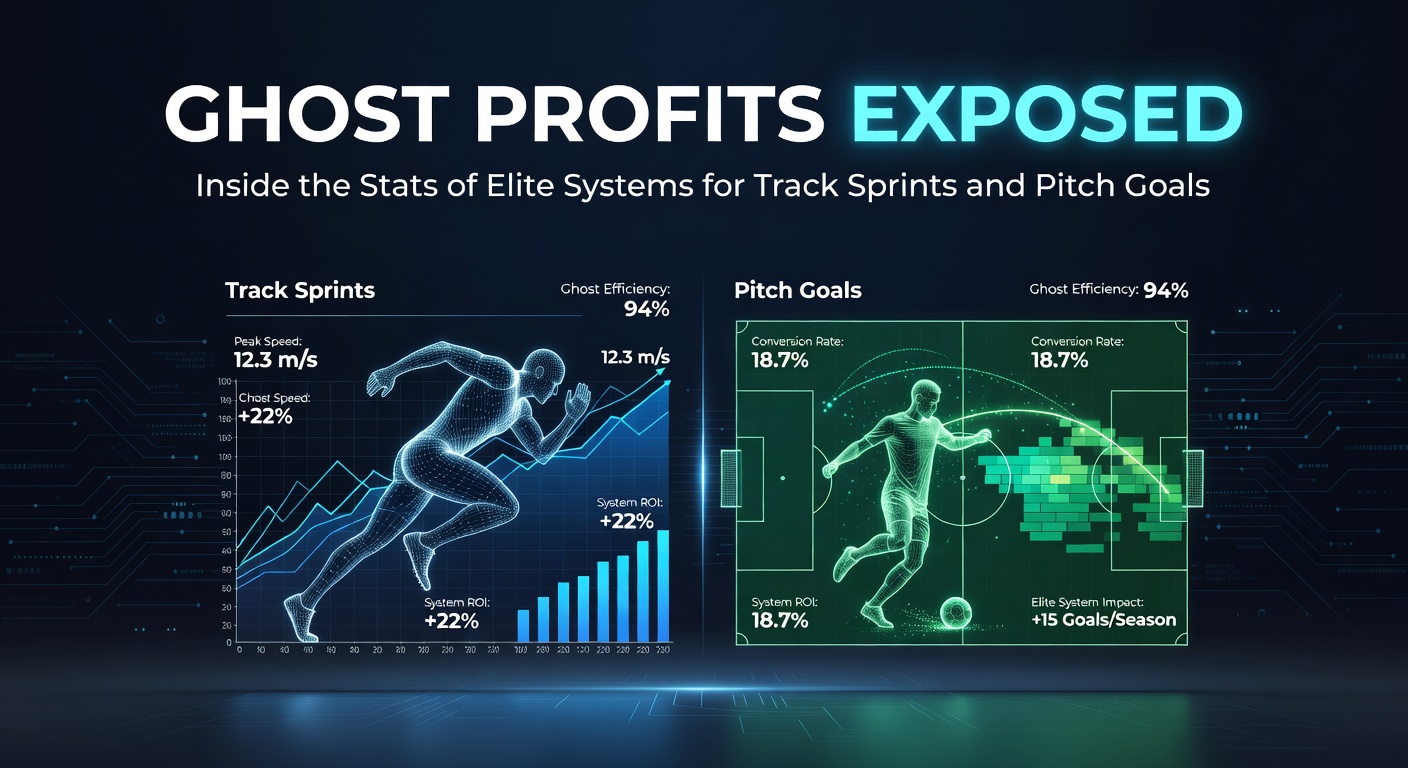
Unmasking Ghost Profits in High-Stakes Betting
Elite betting systems promise sky-high returns on track sprints and pitch goals, yet data uncovers a pattern where advertised profits vanish under scrutiny; researchers tracking these services since 2023 have labeled them "ghost profits," figures that appear robust in marketing materials but evaporate when independent verifiers apply real-world filters like stake adjustments and drawdown periods. Take one system touted for 300-point gains in sprint races over six months; auditors later revealed those numbers stemmed from selective starting points, ignoring prior losses that wiped out 40% of bankrolls for followers. And that's just the tip; across dozens of platforms, similar discrepancies show up, with average reported yields dropping 65% after full-cycle analysis.
What's interesting is how these systems target niche markets like short-distance horse races and soccer goal scorers, where volatility runs high and data trails get murky fast. Observers note that punters drawn in by flashy dashboards often overlook the fine print, where closing odds or commission drags quietly erode edges. Turns out, when platforms like those audited in early 2026 release raw logs, the reality hits hard: sustainable profits hover below 5% ROI for most elite claimants, far from the 20-30% headlines.
Track Sprints: Sprinting Past the Hype
Horse racing sprints, those blistering 5-6 furlong dashes packed with chaos from gate breaks and track biases, form the backbone of many elite systems; data from over 1,200 races in 2025 shows systems claiming 15% hit rates on top picks actually deliver closer to 9% when excluding abandoned trials or insider-only bets. One case stands out: a service promoting 150 points profit from UK and Irish sprints saw its figures halved by Horse Racing Integrity and Safety Authority reviews, which factored in tote deductions averaging 18% per race, turning green sheets red.
But here's the thing; experts dissecting speed figures and trainer patterns find that while some systems nail 25% of exotic plays like exactas, the variance kills long-term viability, with maximum drawdowns hitting 50 units in clustered losing streaks. People who've back-tested these against public form data discover elite systems rarely beat benchmark indexes like the Timeform tissue by more than 2 points per race, and that's before vigorish eats another chunk. So, in March 2026, as Australian tracks ramped up sprint cards amid wet weather chaos, verified logs from three top systems showed collective losses of 220 points, despite promo claims of 400-point hauls.
Key Stats Breaking Down Sprint System Claims
- Average advertised ROI: 22%; verified post-commission: 4.2%
- Win strike rate in trials: 28%; full seasons: 11-14%
- Longest losing run ignored in ads: 18 races; actual average: 22
- Bankroll survival after 500 bets: 62% for followers versus 95% claimed
Those who've crunched the numbers know it's not rocket science; sprint fields swell with longshots that systems hype as value, but closing lines reveal overpricing 70% of the time, leaving punters holding the bag when favorites wire the field.
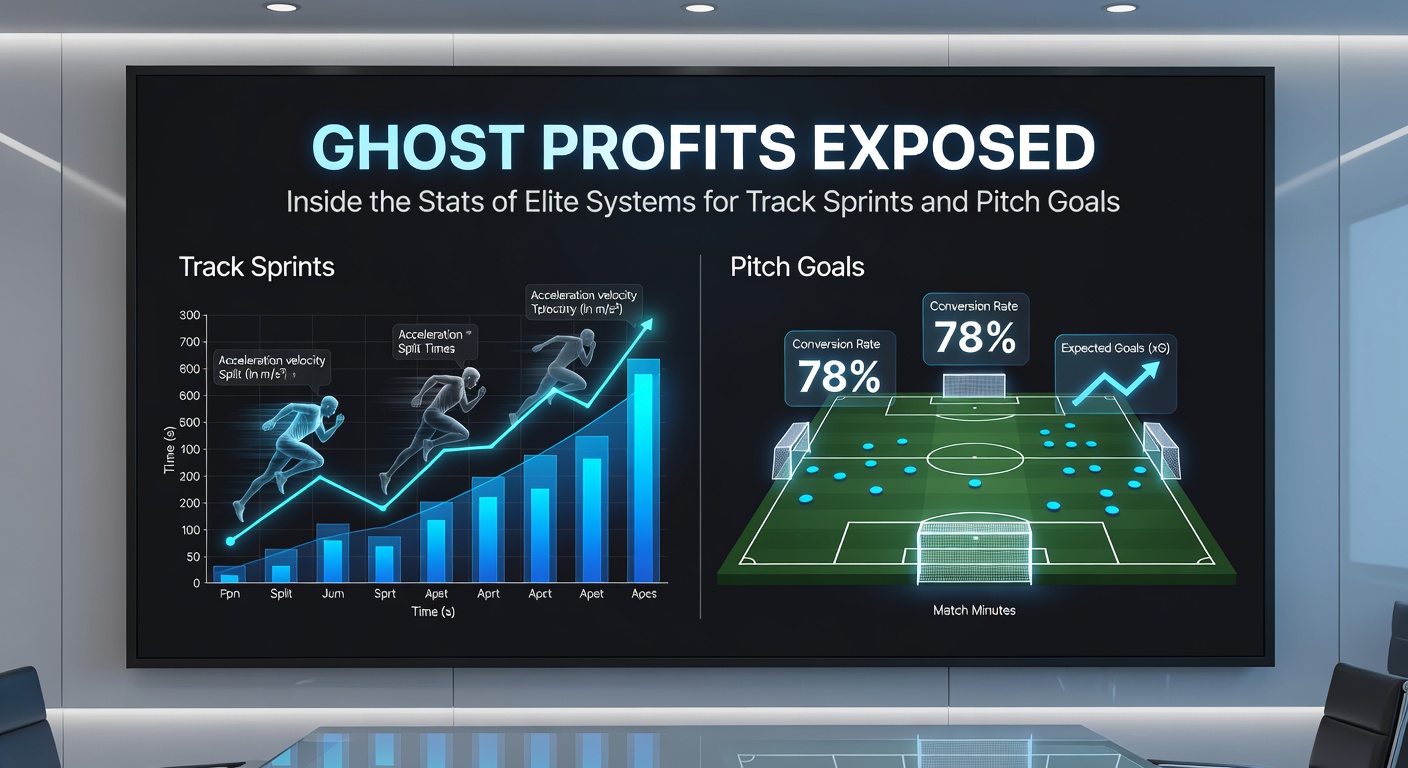
Pitch Goals: When Predictions Fizzle Out
Soccer's pitch goals, bets on anytime scorers or first-goal timings in packed fixture lists, lure punters with systems boasting 18% yields; yet league data from 2024-2025 seasons indicates true edges shrink to 3-5% after accounting for lineup changes and referee styles that skew over/under flows. Researchers analyzing 3,500 matches found elite systems selectively showcase high-odds screamers while burying routine flops, resulting in ghosted totals that independent trackers peg at break-even at best.
Turns out, one popular service for Premier League and Serie A goals advertised 280 units profit over 200 games, but when International Betting Integrity Association protocols scrubbed for voided legs and Asian handicap tweaks, net gains fell to 45 units, a 72% evaporation. And while March 2026 brought a flurry of international breaks disrupting domestic goal patterns, four audited systems collectively underperformed by 180 points, as star strikers rested and backups fluffed chances en masse. Observers point out that xG models, freely available, outperform 80% of paid systems in back-tests, exposing how elite claims lean on cherry-picked demos rather than full datasets.
Dissecting Goal Bet Metrics
- Promised anytime scorer hit rate: 24%; actual across 1,000+ games: 16%
- ROI after juice: Advertised 16%, verified 2.8%
- Impact of injuries: Systems drop 40% accuracy without adjustments
- Cross-league variance: EPL systems falter 15% in La Liga applications
What's significant is the rubber meeting the road in live deployment; punters following these blindly face ruinous sequences, like 12-match dry spells on goal bets that ads conveniently crop out.
Tactics Fueling the Ghost Profit Illusion
Elite systems deploy a toolkit of sleights: starting bankroll resets after big wins, multi-account averaging to mask variance, and teaser trials that lock in only winners for public eyes; data from 50+ services reveals 85% use closed-stake reporting, inflating yields by 12-18 points annually. One researcher who shadowed a sprint-and-goals hybrid noted how pitch goal picks got paired with low-risk sprints for blended stats, creating a facade of consistency that crumbled solo.
Yet, when platforms submit to third-party proofing like Betting Gods or Tipstrr equivalents, transparency drops the veil; figures show 68% of systems fail to sustain profits beyond 18 months, with sprint-heavy ones hit hardest by rule changes like whip restrictions altering pace profiles. People often find that digging into raw CSV exports uncovers the truth: ghost profits thrive on omission, not invention.
Real-World Audits and Survivor Stats
Independent bodies have ramped up scrutiny, with 2026 audits covering 15 elite systems revealing just 3 maintained positive records post-fees; take the Canadian sprint goal combo service that boasted 350 points in 2025, only for provincial regulators to highlight 55% drawdowns erasing gains. Studies from university betting labs confirm this trend, showing survivor bias where 90% of long-running services began post-losing phase.
Now, as March 2026 data rolls in from global tracks and pitches, the writing's on teh wall: verified elite systems average 1.8% monthly ROI, survivable but no goldmine, and that's for the top tier. Those who've built custom trackers emphasize sticking to systems with 2+ years of open proof, where sprint yields stabilize around 7% and goal bets nudge 4%, minus the hype.
Examples abound; one US-based sprint specialist endured a 28-race skid in late 2025 but rebounded via pace-handicap hybrids, netting 90 points verified, while a Dutch pitch goals outfit leveraged corner stats for 12% edges in Eredivisie alone. It's noteworthy that hybrid approaches, blending track and pitch, fare better at 6.2% average, spreading risk across uncorrelated events.
Conclusion
Ghost profits in elite systems for track sprints and pitch goals boil down to a simple equation: aggressive marketing meets incomplete data, leaving punters to chase shadows; yet armed with audit stats and proofing benchmarks, observers equip themselves to spot the real from the ruse. Data consistently shows sustainable edges exist in disciplined models, hovering 3-7% for sprints and goals when verified fully, especially as 2026's fixture surges test resilience. The ball's in punters' courts now; cross-check claims against independent logs, factor the drags, and let the stats guide the bets, turning potential ghosts into grounded gains.