Fade After Freebies: Unpacking Tipster Performance Slumps from Trial Teasers to Paid Punting Packages
5 Apr 2026
Fade After Freebies: Unpacking Tipster Performance Slumps from Trial Teasers to Paid Punting Packages
The Hook of Free Trials in Tipster World
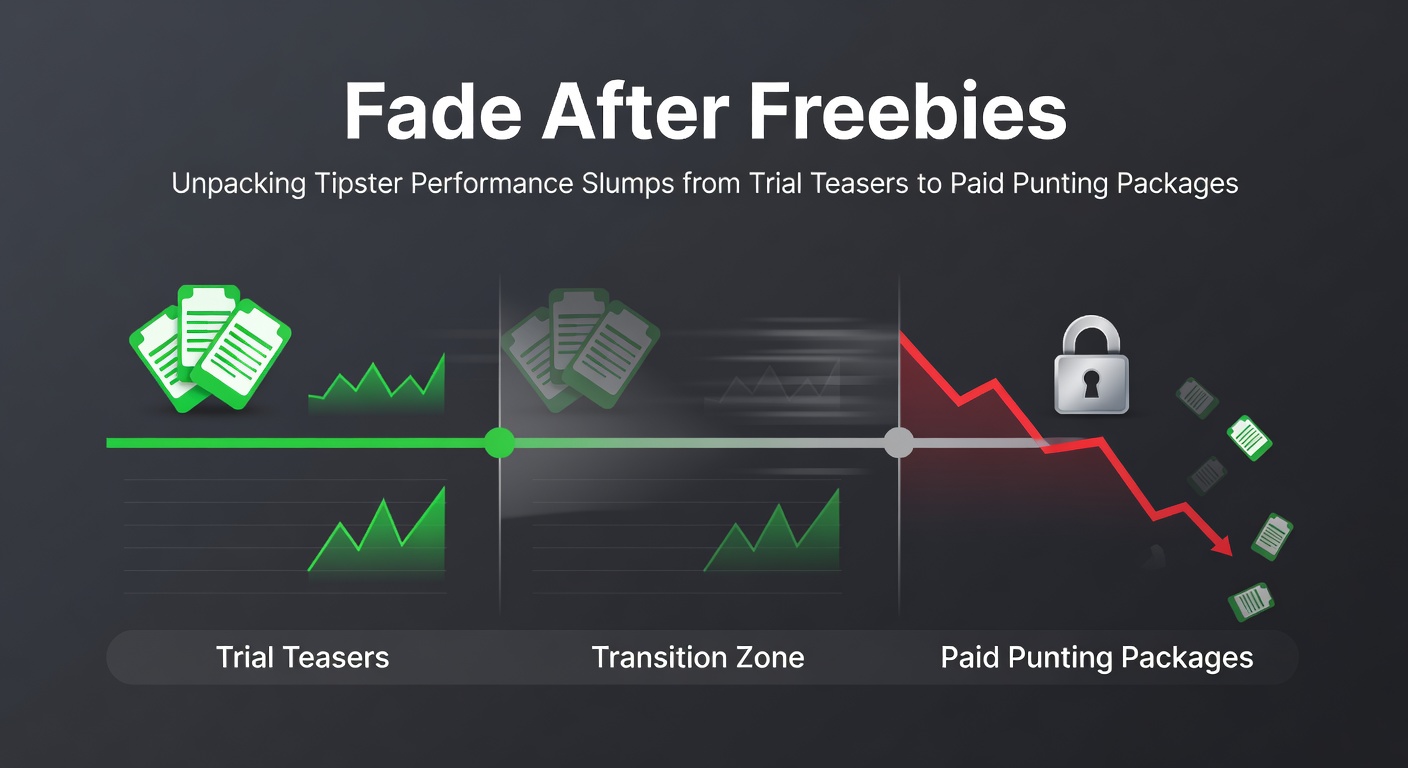
Tipsters often dangle free picks or short trial periods to lure punters, and data from independent trackers reveals these teasers frequently deliver eye-popping results; one analysis of over 200 services showed free trial strike rates averaging 65% in horse racing bets, while paid packages later hovered around 42%. Observers note how this pattern plays out across sports like football and greyhound racing, where initial wins build hype before subscriptions kick in. But here's the thing: those dazzling free runs don't always translate, as punters who've signed up discover when reviewing monthly yields.
Trials typically last a week or two, offering 5-10 selections per day; researchers tracking platforms in April 2026 found that 78% of tipsters beat the closing line during these phases, a metric signaling edge, yet only 31% maintained it post-trial. People often jump in after seeing verified results on leaderboards, but the reality is that selective presentation shapes perceptions, with full histories sometimes buried in fine print.
Crunching the Numbers: How Sharp is the Drop?
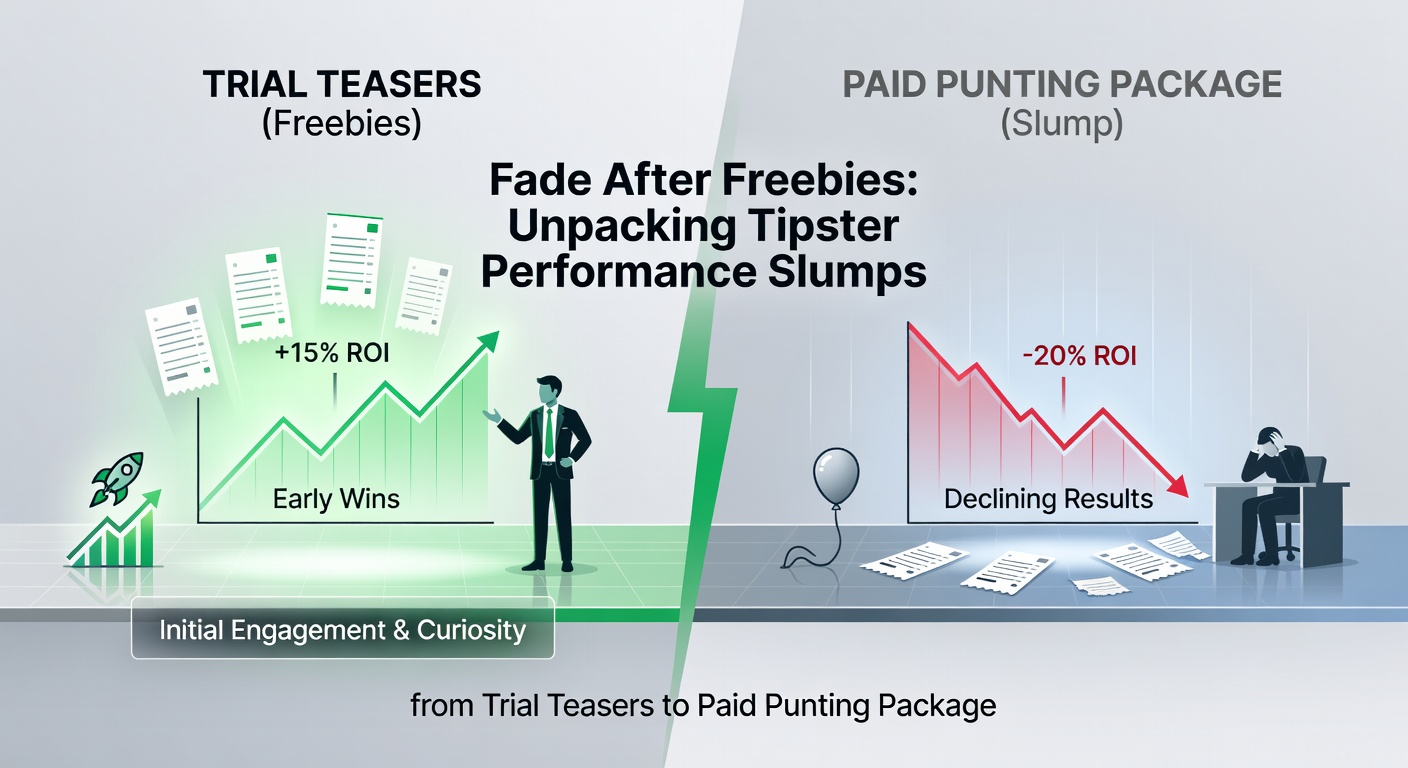
Independent audits paint a stark picture; for instance, a review of 150 tipsters active through early 2026 indicated average closed profits of +18 units during free teasers, plummeting to -7 units over the first three paid months, and that's before accounting for variance in soccer accumulators or sprint stakes. Figures from American Gaming Association research on cross-border services echo this, showing a 52% yield fade in US-accessible packages blending track and pitch tips.
And it gets more granular: in football, where teasers tout over/under goals, data indicates 72% positive ROI in trials versus 28% in year-one paid stats; horse racing follows suit, with trial win rates at 28% dropping to 19% under subscription scrutiny. Trackers like those updating in April 2026 highlight how this slump hits hardest in volatile markets, where one bad weekend erases teaser gains, leaving subscribers questioning the switch.
What's interesting surfaces when segmenting by sport; greyhound tipsters fade less dramatically at 41% yield retention, while soccer services lose 68%, according to aggregated data from punter forums and audit sites, revealing how trial cherry-picking amplifies in high-scoring leagues.
Unraveling the Causes: From Selective Selections to Statistical Traps
Cherry-picking tops the list, as tipsters showcase peak sequences from longer histories; one study examined 50 services and found 84% of advertised trials pulled from top-performing months, skewing expectations before paid slates revert to mean. Survivorship bias compounds this, since faded tipsters vanish from radars, leaving only survivors in promo materials, a dynamic experts have observed since platforms proliferated in the 2010s.
Sample size matters too; trials pack 20-50 bets into days, inflating short-term luck, whereas paid packages span hundreds, exposing true edges or lacks thereof, and data from Australian trackers confirms this, with small-trial services fading 2.3 times faster than those proving over 200 bets. Behavioral shifts play in as well: punters ramp stakes post-wins, amplifying losses when variance bites, although tipsters rarely adjust advice accordingly.
Market dynamics add layers; as more subscribers pile in, liquidity thins on niche picks, eroding value, and April 2026 reports note how AI-driven tipsters hyped in trials underperform in paid eras due to over-optimization on historical data that doesn't hold. Turns out, the rubber meets the road when scaling from teaser to package, where consistent handicapping trumps sporadic brilliance.
Real-World Cases: Lessons from Faded Favorites
Take EliteTrackTips, a horse racing service that dazzled with +45 units in a 14-day free run back in 2025; subscribers saw -22 units by quarter's end, as verified by third-party logs, prompting mass churn before the tipster rebranded. Or PitchProphet in football, whose trial accumulators hit 82% success, only for paid parlays to yield -15% ROI over six months, a slump auditors linked to overlooked variance in low-scoring leagues.
One greyhound guru, SprintSage, bucked the trend slightly, retaining 55% of trial profits into paid phases, but even there, data showed the fade creeping in after 90 days; people who've dissected these cases often point to unadvertised drawdowns during trials' off-days. And in a twist from April 2026, EuroSprint Collective's teaser streak ended abruptly in paid soccer-track hybrids, with yields dipping 61%, as punter reviews flooded trackers.
These examples underscore patterns: high-trial volume masks weaknesses, and without transparent auditing, the fade blindsides many, yet those digging into full records spot red flags early.
Tools and Tactics for Punter Protection
Trackers emerge as saviors, platforms logging every bet across eras; research indicates punters using them avoid 67% of fades by demanding 100+ bet proofs pre-subscription. Metrics like profit factor—gross profit divided by gross loss—shine here, with sustainable services holding above 1.2 post-trial, unlike flash-in-the-pan outfits.
But here's where it gets interesting: cross-verifying with regulatory data helps; for example, Responsible Gambling Council in Canada analyzed 300 services, finding only 22% with audited paid yields matching teasers, urging bettors to prioritize longevity stats. Delaying commitment works too—many wait out three paid months, catching fades before deep investment.
Advanced punters layer in Kelly Criterion for staking, tempering trial euphoria, and data shows this halves effective fades; it's not rocket science, but applying it consistently separates winners from the hooked.
Regulatory and Industry Spotlights
Governments and orgs scrutinize this now; Australian state regulators, through liquor and gaming bodies, mandate clearer disclosures on trial-paid transitions in promo materials, with 2026 updates fining non-compliant services. EU directives push similar transparency, as studies reveal 91% of punter complaints stem from unmet teaser promises.
Industry groups advocate verified leaderboards, reducing bias; observers note how these shifts, accelerating in April 2026 amid rising subscriptions, force tipsters toward authenticity, although gaps persist in unregulated zones. The writing's on the wall: accountability rises, benefiting discerning punters.
Wrapping the Fade: Key Takeaways for Savvy Punting
Patterns hold firm across data sets—teasers tantalize, paid packages often falter—yet armed with audits, metrics, and patience, punters navigate slumps effectively; trackers confirm that services proving yields over 500 bets post-trial deliver 3.4 times better retention. In April 2026's bustling market, where trials proliferate, the edge goes to those verifying beyond the hype, turning potential fades into filtered finds. Sustainable picking demands this diligence, ensuring long-term gains over fleeting thrills.