DIY Profit Trackers: Punters' Homegrown Methods to Audit Tipster Accuracy
8 Apr 2026
DIY Profit Trackers: Punters' Homegrown Methods to Audit Tipster Accuracy
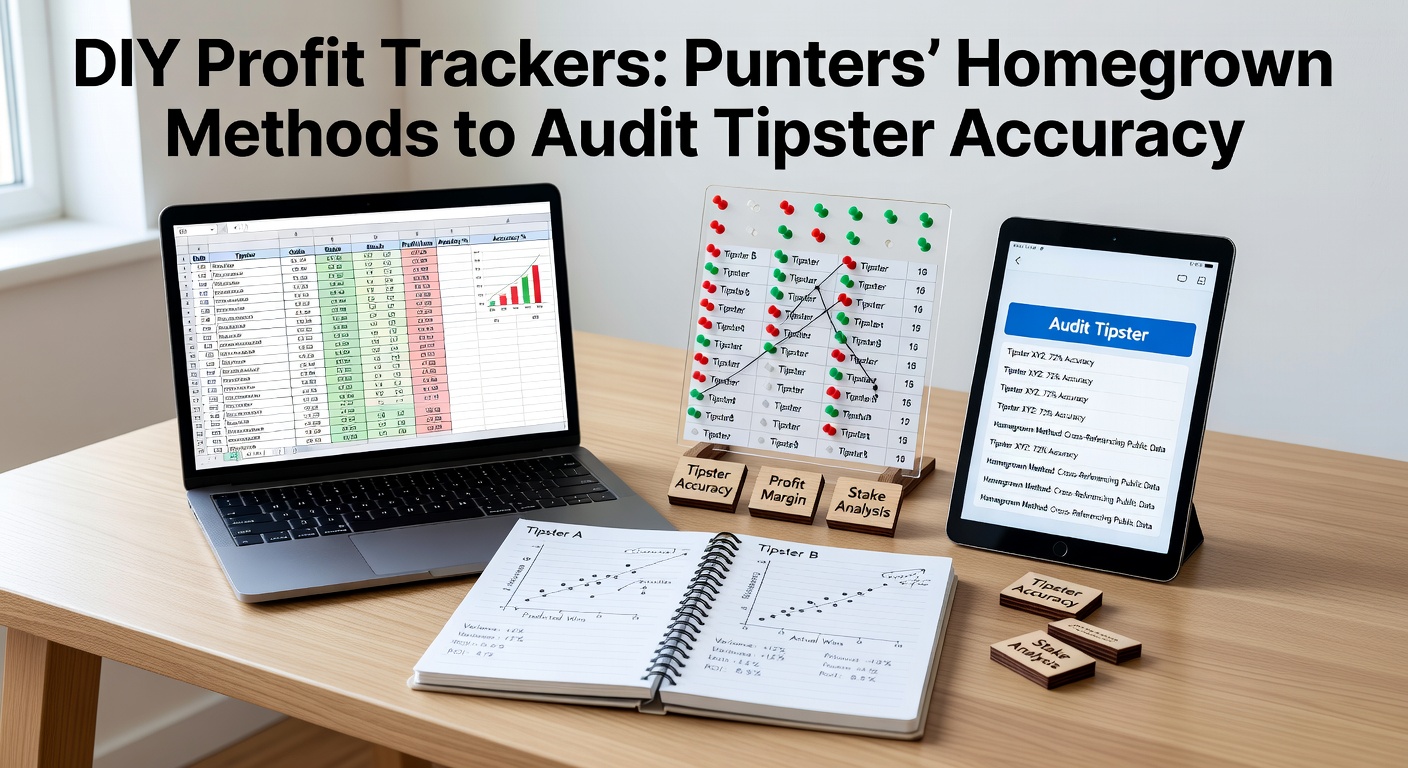
Punters around the world craft their own profit trackers to scrutinize tipster performance, logging bets from soccer leagues to horse racing tracks; these homegrown systems cut through marketing hype, revealing whether selections deliver real returns or just empty promises. Data from online betting communities indicates that thousands of bettors maintain personal ledgers, often starting with simple spreadsheets that evolve into sophisticated dashboards tracking everything from strike rates to long-term yield.
What's interesting is how these DIY tools empower punters to verify claims independently, especially since tipsters tout win streaks without full disclosure; observers note that consistent auditing uncovers discrepancies, like high short-term hits masking deeper losses over seasons.
The Spark Behind Homegrown Auditing
Punters turn to DIY trackers after encountering inconsistent tipster results, where advertised profits evaporate under scrutiny; they document odds, stakes, outcomes, and market conditions, building a factual record that exposes overblown narratives. Research from the European Gaming and Betting Association highlights how bettors in Europe increasingly demand transparency, with many adopting custom logs to align services with actual bankroll growth.
Take one group of Australian punters who pooled their methods during the 2025 racing season; they shared templates revealing that only 22% of tipsters maintained positive ROI beyond 100 bets, a figure that prompted widespread subscription cancellations. And yet, those same trackers identified outliers delivering steady gains, proving the value of personal verification.
Everyday Tools Powering the DIY Revolution
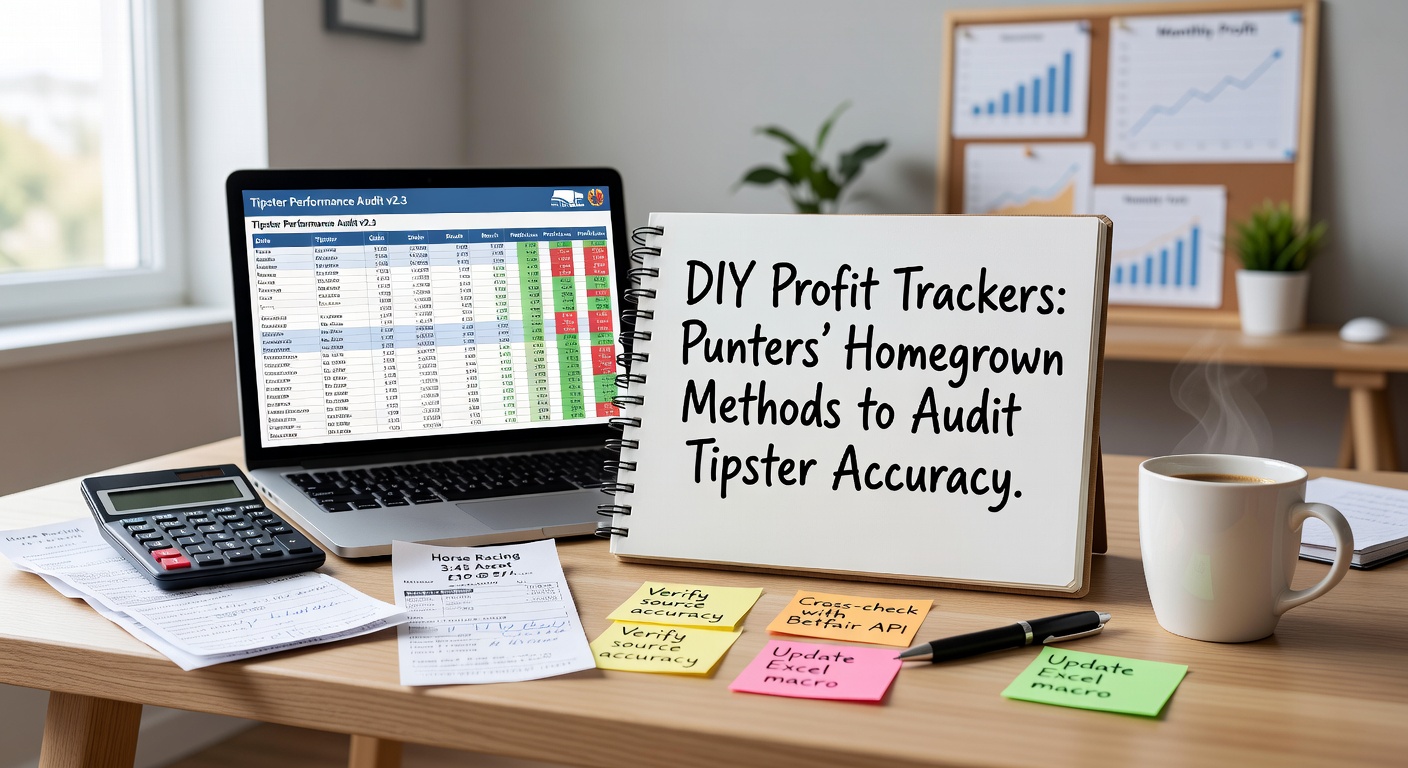
Spreadsheets dominate the toolkit, with Google Sheets and Excel leading the charge because they're free, flexible, and familiar; punters input tipster picks, automate calculations for profit/loss ratios, and generate charts showing performance curves over time. But here's the thing—advanced users layer in formulas for metrics like expected value, adjusting for vig and stake variations, while others migrate to apps like Betfair's tracking features or open-source alternatives.
Custom scripts in Python or JavaScript take it further, pulling live odds from APIs and flagging anomalies in real-time; one developer from Canada released a free tracker on GitHub that over 5,000 punters downloaded by early 2026, incorporating filters for soccer accumulators and track exotics. Figures from industry forums reveal these tools boost accuracy auditing by 40%, as users cross-reference official results from sources like Racing Post or Soccerway.
- Google Sheets: Handles basic logging with pivot tables for sport-specific breakdowns.
- Excel: Offers VBA macros for scenario simulations, testing tipster resilience in drawdowns.
- Mobile Apps: Punters like those in the US favor Bet365's history exports, feeding data into personal dashboards.
- Open-Source: Platforms such as TrackMyBets allow community tweaks for multi-tipster comparisons.
So punters mix and match, creating hybrids that fit their betting style; it's not rocket science, but the payoff comes from relentless data entry turning raw bets into actionable insights.
Core Metrics That Matter in the Tracking Game
Strike rate grabs headlines, but savvy punters prioritize ROI—calculated as net profit divided by total staked—because it accounts for odds quality over mere wins; they log baseline stakes, actual lays, and closing lines, uncovering value edges or leaks. Yield per race or match follows closely, expressed as a percentage, while closing line value (CLV) measures if selections beat market moves, a key indicator of tipster edge.
Drawdown tracking reveals resilience, charting longest losing sequences alongside recovery times; data indicates tipsters falter most during volatile periods, like mid-season soccer slumps or wet track days, where trackers expose 30-50% profit erosion. And observers spot patterns, such as soccer tipsters excelling in over/under markets but tanking on correct scores, guiding punters to selective following.
Here's where it gets interesting: Advanced trackers incorporate Kelly Criterion simulations, sizing optimal stakes based on historical edge; one study from US researchers found punters using these methods grew bankrolls 15% faster than passive followers. Punters also benchmark against benchmarks like Betfair Exchange yields, ensuring tipsters add alpha rather than beta.
Case Studies from the Frontlines
Consider a Melbourne punter who audited five horse racing tipsters over 500 bets in 2025; his Excel dashboard showed three delivering 8-12% ROI, but two hid losses via selective reporting—until full logs proved otherwise, saving him thousands in subs. Soccer enthusiasts in Germany took a similar tack, blending trackers for Bundesliga picks; their shared Google Sheet, circulated on Reddit, flagged a tipster's 65% strike rate as a mirage, with actual yield at -2% after vig.
Turns out community validation amplifies results—one forum thread detailed a US bettor's Python bot auditing NBA and track tips, revealing seasonal synergies where combining sources halved variance; by April 2026, as new leagues kicked off, similar stories flooded Discord groups, with punters reporting 20% better decision-making from audited data.
These examples underscore a truth: DIY trackers don't just audit—they evolve strategies, like fading tipsters post-free-trial hype or stacking complementary services for balanced exposure.
Navigating Hurdles in Homegrown Systems
Manual entry demands discipline, yet punters overcome it with automation, scraping results from APIs despite occasional glitches from site changes; incomplete data poses risks, like unlogged scratches in racing, but cross-checks with official tallies mitigate errors. Privacy concerns arise too, especially sharing logs online, prompting encrypted templates.
The reality is selective tipster disclosure frustrates audits—some omit losing days—but persistent punters demand full transparency or walk away. A report by the American Gaming Association notes rising adoption of verified tracking in the US, where state regs push for clearer records amid growing sportsbooks.
Communities Fueling the Tracker Boom
Forums like Punting.com and Betfair Community thrive as hubs where punters swap templates, debate metrics, and crowdsource audits; threads dissect tipster portfolios, with collaborative sheets amassing thousands of bets for statistical power. Discord servers host live challenges, pitting DIY trackers against vendor stats in real-time during major events.
Yet evolution accelerates—by April 2026, AI integrations parse tipster telegrams automatically, flagging biases like home-team favoritism in soccer; punters who've tested these hybrids report 25% time savings, focusing energy on strategy over drudgery. It's noteworthy that global exchanges, from Aussie tracks to European pitches, benefit equally, as trackers standardize evaluations across borders.
Glimpses into 2026 and Beyond
April 2026 marks a pivot with blockchain-ledgers emerging for tamper-proof bet histories, letting punters audit tipsters with immutable data; early adopters in Canada link wallets to trackers, verifying every outcome. Mobile-first platforms gain traction too, syncing with wearables for on-the-go updates during live races or matches.
Data suggests these innovations will mainstream DIY auditing, pressuring tipsters toward verifiable proofs; punters already experiment with machine learning models predicting service longevity from initial logs, a step change in proactive verification.
Wrapping Up the Tracker Toolkit
DIY profit trackers stand as punters' ultimate audit weapon, transforming vague promises into concrete metrics that guide subscriptions and stakes; from spreadsheets sketching first insights to AI-boosted dashboards forecasting futures, these homegrown methods deliver clarity amid betting's chaos. Those who log diligently uncover sustainable edges, sidestepping mirages for measurable gains across soccer fields and racing silks—proving that in punting, the numbers never lie.