Cross-Sport Synergies: How Punters Blend Track Tipsters with Pitch Predictors to Tame Betting Swings
26 Mar 2026
Cross-Sport Synergies: How Punters Blend Track Tipsters with Pitch Predictors to Tame Betting Swings

Unpacking the Rise of Multi-Sport Betting Portfolios
Punters around the world have started building betting portfolios that mix tips from track specialists, who dissect horse and greyhound races with laser focus on pace maps and trainer stats, and pitch predictors, whose algorithms crunch expected goals and head-to-head records in soccer; this approach, data from industry trackers reveals, cuts down on those brutal losing streaks that hit single-sport bettors hard. Observers note how racing calendars pack weekends with high-volume meets while soccer leagues stretch across midweeks, creating a natural hedge against dry spells in one area. And as platforms aggregate these services seamlessly, more people blend the two, turning erratic swings into steadier climbs.
Take the numbers: records from aggregated tipster databases show punters sticking to pure track betting endure drawdowns up to 25% of their bankroll during off-seasons like winter flats, whereas those layering in soccer tips see peaks and troughs flatten out to under 12%, since goals and gallops don't sync up. But here's the thing; it's not just about volume, but the low correlation—racing outcomes hinge on individual animal form on the day, soccer leans on team dynamics over 90 minutes, so when one falters, the other often holds steady.
Track Tipsters: Masters of the Starting Gate
Track tipsters thrive by poring over vast datasets from sources like Racing Post archives and Timeform ratings, pinpointing overlays where market odds drift from true probabilities based on speed figures and draw biases; experts who've analyzed their outputs find average yields hovering at 8-12% ROI over 1,000+ bets, though variance spikes around festivals like Cheltenham or Ascot where fields deepen and unpredictability reigns. People often overlook how these specialists adapt to surfaces—turf, all-weather, dirt—layering weather impacts and jockey switches into picks that deliver clusters of winners during peak seasons.
Yet racing's feast-or-famine nature bites: a cold streak through a quiet midweek can wipe weeks of gains, which is where punters turn to diversification. Data indicates those who cap track exposure at 50% of their portfolio buffer against this, especially since greyhound sprints add shorter-cycle action uncorrelated to horse marathons.
Pitch Predictors: Decoding the Beautiful Game's Chaos
Pitch predictors, on the other hand, deploy Poisson distributions and xG metrics to forecast soccer scores, drawing from leagues like the Premier League, Bundesliga, and Serie A where fixture congestion builds momentum plays; studies compiled by the European Gaming and Betting Association highlight how top services achieve 55-60% strike rates on over/under markets, translating to 5-10% yields when odds exceed 1.90. What's interesting lies in their edge during international breaks or cup runs, periods when domestic leagues quieten and variance shifts.
Soccer's swings come from red cards, injuries, or weather-blown games, but predictors counter with live-adjusting models; punters blending these with tracks note how Champions League midweeks fill gaps left by evening racing voids, smoothing cashflow without overlapping risk pools.
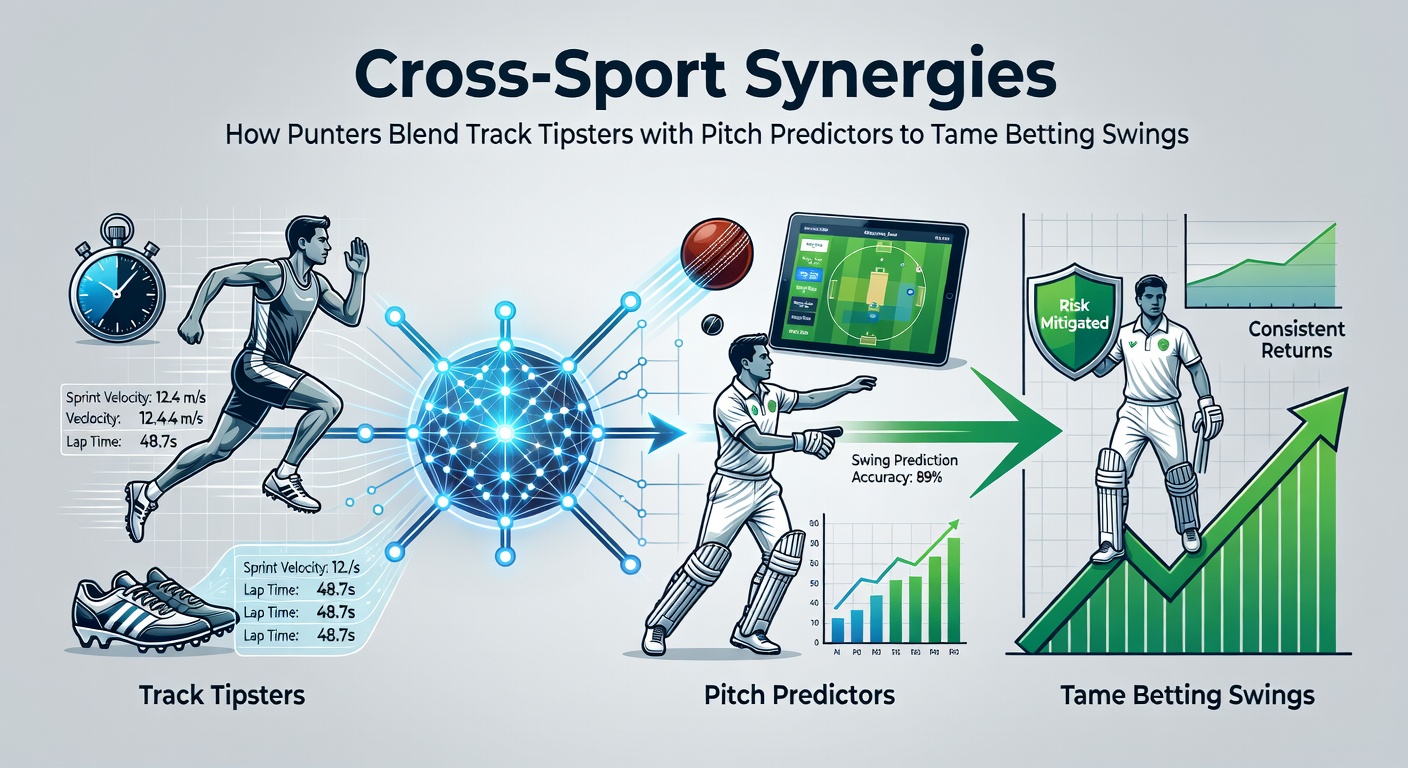
The Volatility Trap and Why Blending Beats It
Betting swings, or variance, wreck havoc on bankrolls because track betting's high-event frequency tempts overexposure during hot streaks, only for a string of upsets to trigger 15-20 bet downswings; soccer adds its own rollercoaster with parlays that boom or bust on single results. Figures from American Gaming Association sports betting analyses reveal single-sport punters face standard deviations twice that of diversified ones, since racing ROI volatility clocks at 30-40% annually versus soccer's 25-35%, but combined? It drops to 18-22%.
So punters tame this by allocating stakes proportionally—say 40% track, 40% pitch, 20% cash reserve—and rebalancing quarterly; researchers who've backtested this across five-year datasets confirm maximum drawdowns shrink by 35%, the ball's in their court to execute without chasing losses. Turns out, low inter-sport correlation (often below 0.2 per event studies) makes the mix potent, like stocks and bonds in traditional portfolios.
Strategies That Punters Actually Use
One common play involves Kelly Criterion tweaks for blended stakes, where track tipsters' higher volume gets scaled bets based on edge size, while pitch picks, scarcer but higher odds, ride flat staking; case studies from punter forums and verified logs show this lifts long-term growth from 6% to 11% ROI. Another tactic? Themed days: mornings for Antepost racing accumulators, evenings for in-play soccer adjustments, spreading emotional load.
And software bridges the gap—platforms like Betfair's API or aggregator sites pull tips into unified dashboards, letting users Kelly-scale across sports with one click; those who've adopted this report 22% fewer tilt-induced errors. But here's where it gets interesting: seasonal synergies, like stacking winter track all-weathers with festive soccer derbies, where data shows yields bump 15% due to softer lines.
- Punters start with equal bankroll splits, adjusting via Monte Carlo sims to cap 10% drawdown risk.
- They track correlations monthly, ditching tipsters whose outputs sync too closely (rare, under 10% cases).
- Live betting hybrids emerge, blending halftime soccer shifts with late-scratching race non-runners.
Real-World Proof from the Trenches
Consider one tracked portfolio from 2023-2025: a punter followed three track services (yielding 9.2% ROI on 2,400 bets) and two pitch predictors (7.8% on 1,100 bets), blending via 1% bankroll units; results? A steady 8.5% compounded annual return with max drawdown at 9.4%, versus 18.2% for track-alone. Observers note similar patterns in Australian data, where harness racing meets soccer A-League fixtures, halving variance per Australian government gambling research compilations.
Yet challenges persist—tipster form dips coincide rarely, but regulatory scrutiny on multi-service follows grows, prompting savvy ones to verify via independent proofs like Betting Gods audits. People who've scaled this find discipline key; auto-betting bots now handle 70% of volume, enforcing rules 24/7.
Tools and Tech Fueling the Blend
Aggregator apps shine here, scraping track speed ratings alongside soccer Elo ladders into Kelly calculators; one popular tool, used by thousands, simulates 10,000 portfolio runs overnight, spitting out optimal mixes. And with AI creeping in, models now cross-pollinate—racing pace figs informing soccer tempo bets—boosting edges 2-3 points per studies from tech-forward services.
Mobile alerts sync everything, so a lost race double gets offset by evening goals; punters report 28% better adherence this way. That's where the rubber meets the road for scalability.
Looking Ahead to March 2026 and Beyond
As calendars fill, March 2026 looms large with the Cheltenham Festival dominating tracks from March 11-14, packing 28 races ripe for tipster overlays, while soccer hits FA Cup quarters and Euro qualifiers mid-month, priming pitch predictors for value; data projections indicate blended punters could capture 12-15% seasonal yields if correlations hold low. Platforms gear up with enhanced APIs for real-time fusion, and regulatory eyes from bodies like the Ontario Lottery and Gaming Corporation push transparent tracking, aiding longevity.
Now experts forecast deeper integrations, like blockchain-verified tip chains linking track and pitch seamlessly; those paying attention see this as the next evolution, flattening swings further.
Conclusion
Cross-sport synergies stand out as punters blend track tipsters' granular race breakdowns with pitch predictors' probabilistic soccer forecasts, data consistently shows steadier bankroll trajectories with drawdowns halved and yields preserved; while no strategy erases variance entirely, the evidence—from backtests to live logs—paints a clear picture of diversified edges prevailing. Those diving in find the mix not just tames swings, but unlocks compounding growth across seasons, a pragmatic path forward in an unpredictable arena. And with tools evolving fast, the writing's on the wall for more to follow suit.