14 Aug 2026
Charting Information Cascades from Private Wagering Circles to Mainstream Platforms Across Equine Events and Team Matches
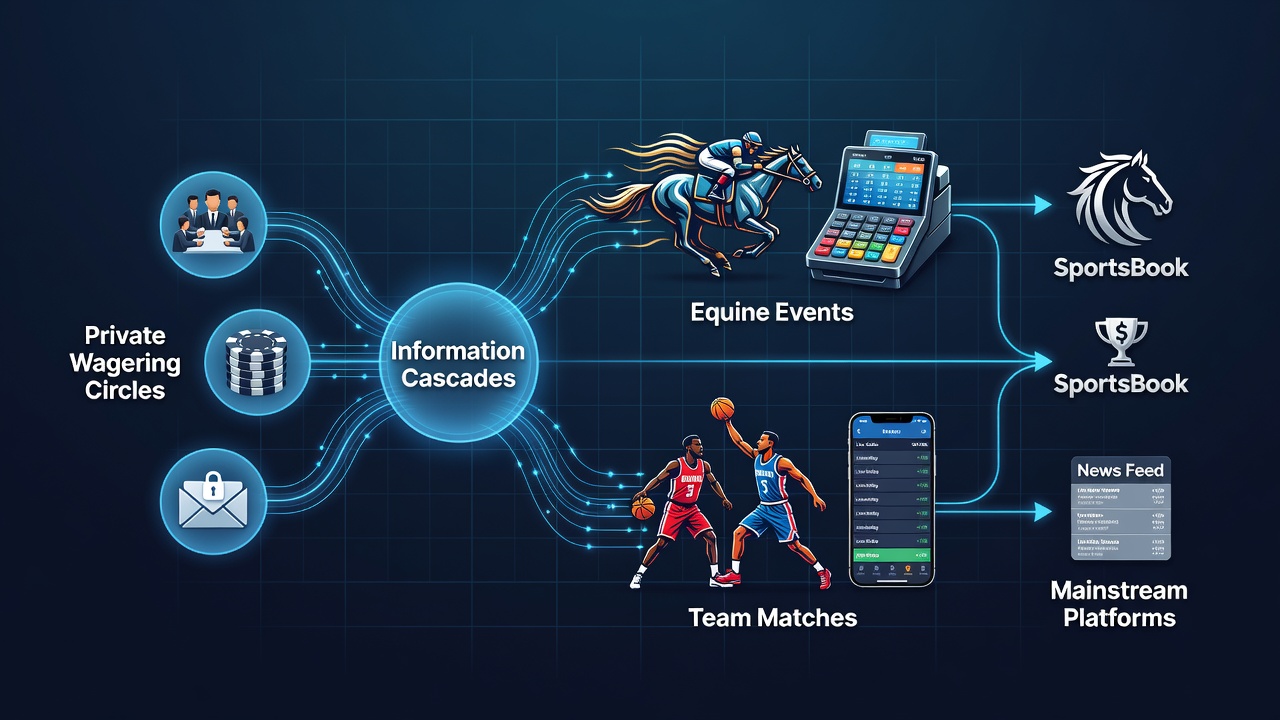
Private wagering circles have long served as the starting point for betting insights on equine events and team matches, where small groups share selections through encrypted apps and closed forums before details reach wider audiences. These networks often begin with a handful of participants exchanging racecard notes or match previews, then expand when members forward messages to acquaintances who repeat the process.
Origins in Closed Networks
Researchers have documented how information moves outward from invitation-only channels on platforms like Telegram and Discord, where users discuss trainer patterns at major tracks or player form in league fixtures. Data from industry tracking services show that selections originating in these spaces frequently reference specific metrics such as sectional times in sprints or expected goal values in matches, details that later appear in public commentary.
One pattern emerges when participants test ideas internally for several weeks, refine them based on collective results, and only afterward release summaries to open social feeds. This staged release creates measurable delays between initial circulation and broader visibility, with equine tips sometimes surfacing first during morning workouts at tracks while team sport insights gain traction closer to weekend fixtures.
Transition to Open Platforms
Once details leave private circles they typically migrate to X and Facebook groups, where users quote original messages without attribution and add their own commentary. Studies of social media activity during the 2026 summer racing calendar revealed clusters of identical selections appearing across unrelated accounts within hours of one another, indicating rapid relay rather than independent analysis. Similar timing patterns occurred around European football matches in August 2026, when preview threads on Reddit mirrored content previously shared in niche Discord servers.
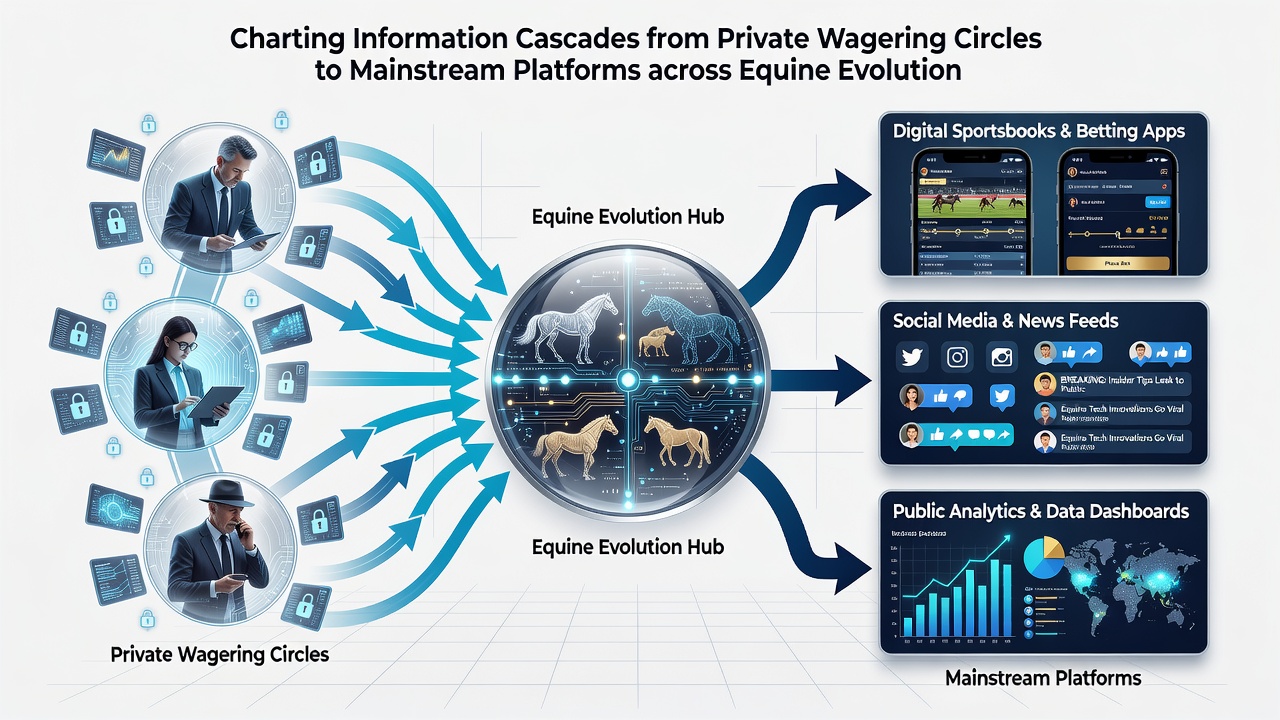
Mainstream betting sites and tipster directories then aggregate these signals, often presenting them as consensus picks without tracing their path through earlier layers. Regulatory filings from bodies such as Responsible Gambling Victoria note increased mention of social media sources in customer queries during peak racing and football seasons, suggesting the public encounters material after it has already traveled through multiple hands.
Equine Events versus Team Matches
Equine information tends to travel faster because race results arrive daily and allow quicker verification, prompting participants to share updates in real time. Team match insights, by contrast, often involve longer accumulation of squad news and injury reports, so cascades move through slower weekly cycles. Observers note that both categories eventually converge on the same mainstream outlets, including newspaper columns and dedicated apps, once volume reaches critical mass.
Academic papers from institutions including the University of Nevada, Las Vegas have examined how volume spikes in private channels precede spikes in public search interest for particular events. Their findings indicate that equine selections frequently peak in private exchanges two to three days before race day, while team match discussions accelerate the day before kickoff. These timing differences shape how quickly each type reaches general audiences.
Measurement and Tracking Methods
Analysts apply network mapping tools to quantify cascade length and speed. They record timestamps of first private mentions, subsequent reposts, and eventual appearance on high-traffic domains. One dataset compiled during the 2026 flat racing season showed average cascade duration of 72 hours from closed group to national publication, whereas football previews averaged 48 hours during the same period. Such measurements rely on keyword matching and image recognition to follow selections even after wording changes.
Industry organizations such as the National Center for Responsible Gaming have compiled reports that link these information flows to shifts in betting volumes on regulated platforms. Their work highlights correlations between social media amplification and increased handle on specific races and matches, without attributing causation.
Conclusion
Information cascades from private wagering circles continue to feed mainstream platforms across equine events and team matches through repeated relay across digital layers. Timing differences between the two categories reflect the distinct rhythms of daily racing cards versus scheduled league fixtures. Tracking studies and regulatory records provide measurable evidence of these pathways while leaving the underlying decision processes within closed groups largely opaque.